

Latest News
ICSI doesn’t beat age
The use of the ICSI technique in IVF is increased recently and is being applied in many cases of infertility. In Europe ICSI is used in 65% of IVF cycles and in America in 76%. Generally, ICSI is used in male factor infertilities so can increase the fertilization rate and the number of embryos. But a question that can be generated from this is if ICSI used in non-male factor infertility cases can improve the outcomes compared with conventional IVF in women aged 40 years and over.
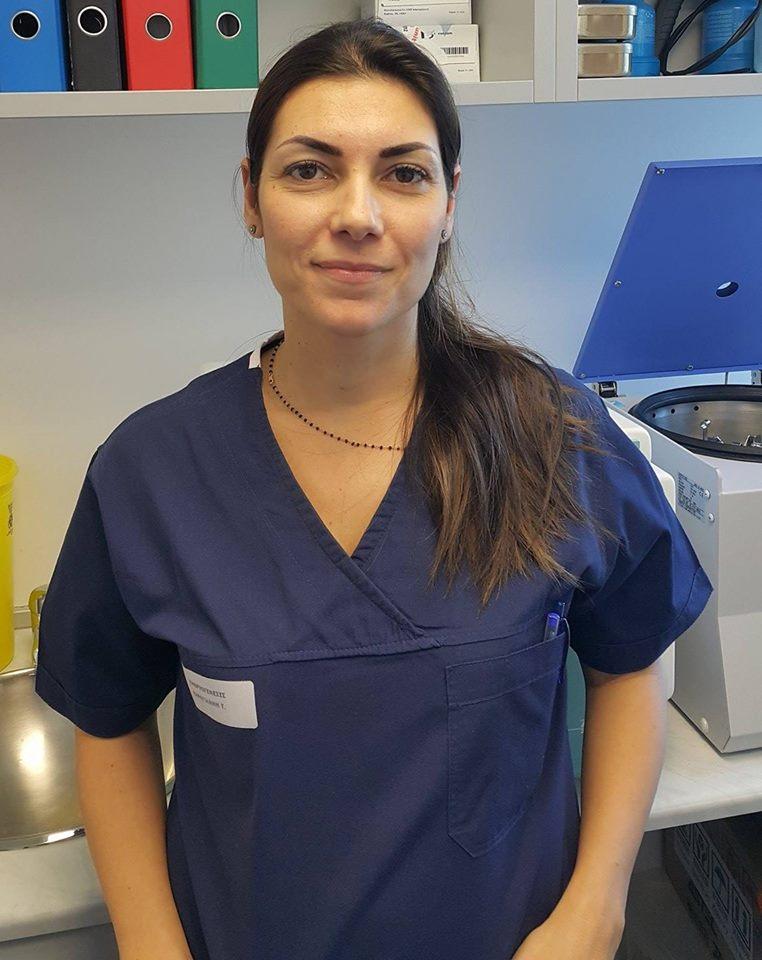
Scientists have broken the enigmatic/mysterious human embryo implantation barrier
Scientists at the university of Cambridge UK and US (Prof. Brivanlou at the Rockefeller University, New York) have developed a remarkable new technique that allows human embryos to grow in the lab-beyond the implantation stage.
Six myths and two truths about IVF
1.The IVF never succeeds at the first attempt. Myth
Based on international statistics, more than 60% of young couples will achieve a pregnancy at the first attempt. Women after the age of 40 have lower success rates and more attemps are generally required.
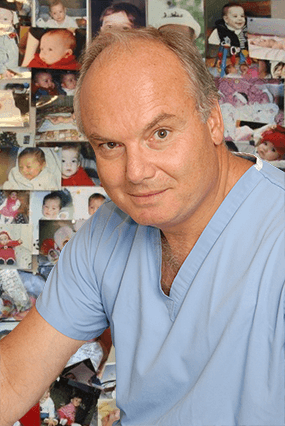
After Economic Crisis, Low Birthrates Challenge Southern Europe
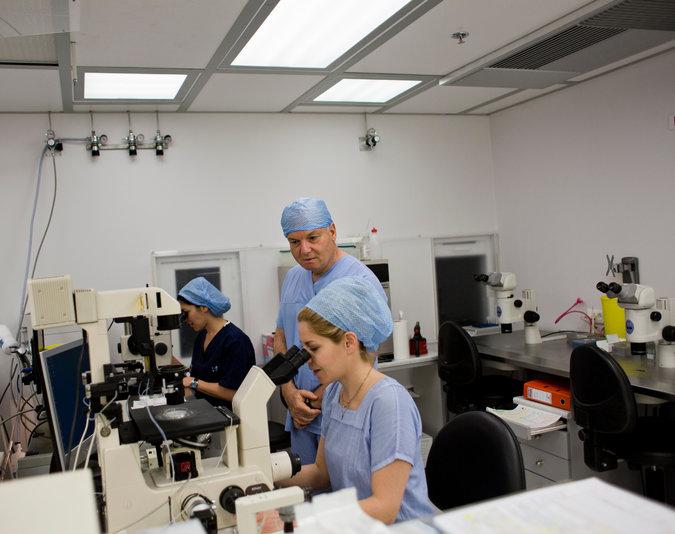
ATHENS — As a longtime fertility doctor, Minas Mastrominas has helped couples in Greece give birth to thousands of bouncing babies. But recently, disturbing trends have escalated at his clinic.
Couples insisting on only one child. Women tearfully renouncing plans to conceive. And a surge in single-child parents asking him to destroy all of their remaining embryos.
Organoid cultures of human endometrium for the investigation of early pregnancy and menstrual cycle
Endometrium is the mucosal lining inside the uterus which over the course of the menstrual cycle changes composition, becoming thicker with many blood vessels for implantation and nutritional support for the conceptus but in case of conception failure this tissue is sheded causing the woman's period.
Attendance of the ESHRE Congress
Tania Karagianni, Bsc, Clinical Embryologist at Embryogenesis, attended the Congress of the European Society of Human Reproduction and Embryology (ESHRE) on "The fourth dimension - the time factor in human embryology".